
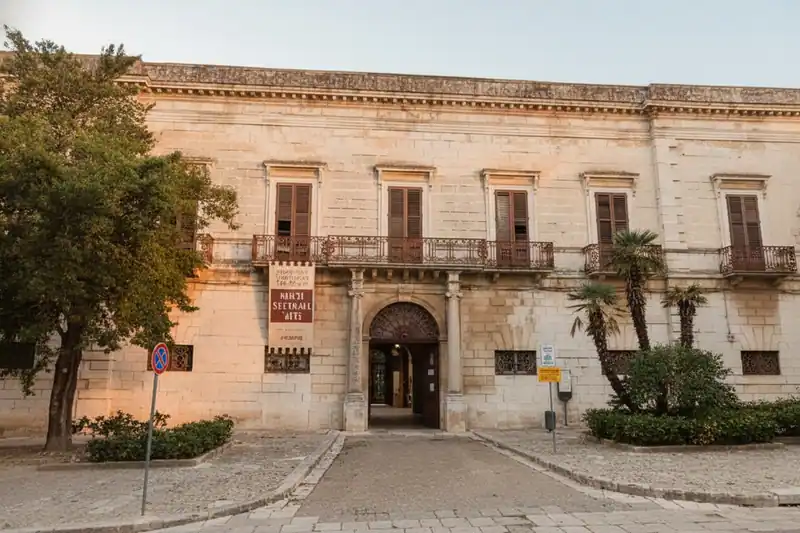
In the quiet heart of Ruvo di Puglia, a town known for its ancient Peucetian roots and baroque charm, the Museo archeologico nazionale Jatta stands as one of southern Italy's most treasured archaeological collections. Founded in 1844 by the Jatta family, this intimate museum offers visitors a rare glimpse into the rich trade networks and artistic exchanges that once flourished across the Mediterranean. The collection's centerpiece a stunning array of red-figure and black-figure Greek vases tells stories of gods, heroes, and daily life from over two millennia ago.
A Family Legacy Preserved in Clay
What makes the Museo Jatta truly special is its origin story. Giovanni Jatta, a passionate 19th-century collector and archaeologist, amassed these treasures by excavating burial sites around Ruvo di Puglia, once the ancient city of Rubi. His descendants kept the collection intact and eventually donated it to the Italian state, ensuring that these artifacts remained in the very landscape where they were created and used centuries ago.
Walking through the museum's elegant rooms feels less like visiting a sterile institution and more like stepping into a cultivated private collection. The original neoclassical display cabinets and the palazzo's frescoed ceilings add layers of history to your visit, blending 19th-century collecting culture with ancient artistry.
Masterpieces That Speak Across Millennia
The museum's crown jewel is the Cratere di Talos, a monumental vase depicting the death of the bronze giant Talos. Standing before it, you can almost hear the myths being recounted at ancient symposia. Beyond this icon, the collection includes over 2,000 pieces ceramic vessels that once held wine, oil, and perfume, decorated with scenes of athletic contests, theatrical performances, and divine interventions.
Even visitors with no background in archaeology find themselves captivated by the narratives painted onto these vessels. Each artifact is a window into the everyday and the sacred, from delicate lekythoi used in funerary rites to large kraters meant for communal feasting.
What to Experience During Your Visit
- The Talos Krater one of the most celebrated examples of Apulian red-figure pottery in the world
- Thematic galleries organized by vessel type and function, making it easy to understand ancient daily life
- Original 19th-century display cases that are themselves pieces of museum history
- Detailed panels in Italian and English explaining myth, iconography, and archaeological context
- Peaceful, uncrowded galleries perfect for quiet contemplation and photography
Making the Most of Your Time in Ruvo
After immersing yourself in ancient pottery, step outside to explore Ruvo di Puglia's compact historic center. The Romanesque cathedral is just a short walk away, its rose window and sculpted portal among the finest in Puglia. The town is also famous for its ceramic tradition, which continues to this day browse local workshops to see how contemporary artisans honor the same clay-working techniques that produced the museum's treasures.
Ruvo lies inland between Bari and the Murgia plateau, making it an ideal stop if you're traveling between the coast and the trulli towns of the Itria Valley. Combine your museum visit with a drive through olive groves and vineyards, or time it with the weekly market to experience authentic Puglian town life.