
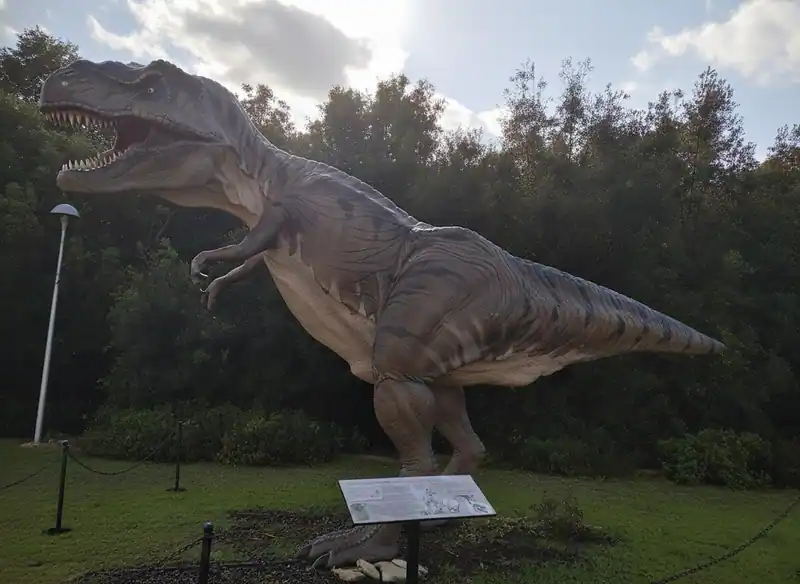
Tucked away in the countryside near Calimera, the Museo di Storia Naturale del Salento opens a window into deep time, where the story of the earth unfolds through fossils, minerals, and ancient specimens. The museum sits quietly along a provincial road, a place where curiosity meets discovery, and where the landscape's hidden past rises to the surface. For anyone drawn to the mysteries beneath our feet, this is a rare chance to explore the geological soul of Puglia.
A Journey Through Millennia
The museum's collection tells the story of a region shaped by ancient seas, shifting continents, and volcanic forces. Glass cases reveal fossilized marine creatures that once swam in warm waters millions of years ago, their delicate forms preserved in limestone. Minerals glisten under soft lighting, each specimen a fragment of the earth's slowalchemy.
The displays are thoughtfully curated, making complex geological concepts accessible even to those without a scientific background. Interactive panels and detailed labels invite visitors to linger, question, and imagine the landscapes that existed long before human memory.
What Makes This Museum Special
Unlike larger metropolitan museums, this institution focuses exclusively on the geological and paleontological heritage of the surrounding region. Every fossil, every rock, every specimen comes from the immediate area, creating a deeply rooted sense of place. You're not looking at distant wonders—you're standing on the very ground from which these treasures emerged.
The museum's modest scale works in its favor. There's no rush, no crowds jostling for position. Instead, you're free to move at your own pace, to double back to a display that caught your eye, to sit with the wonder of a perfectly preserved ammonite spiral.
Tips for Your Visit
Plan to spend at least an hour exploring the collections. The museum is especially rewarding for families with curious children, as the tangible nature of the exhibits—real bones, real stones, real remnants of ancient life—sparks imagination in a way that screens cannot.
- Arrive in the morning when natural light fills the exhibition halls
- Look closely at the fossilized coral formations—they reveal the tropical origins of this now-Mediterranean landscape
- Ask about seasonal workshops and guided tours that dive deeper into specific topics
- Combine your visit with a walk through Calimera's historic center, known for its Griko linguistic heritage
- The nearby Corigliano d'Otranto castle is just a short drive away
Beyond the Museum Walls
Calimera itself is worth exploring, a town where Greek linguistic traditions still echo in daily life. After your museum visit, wander the narrow streets, stop at a local café, and listen for traces of Griko, the ancient Greek dialect that has survived here for centuries. The landscape around the museum—rolling fields dotted with olive groves and dry-stone walls—is the same terrain that yielded many of the fossils you've just admired, creating a seamless connection between past and present.