
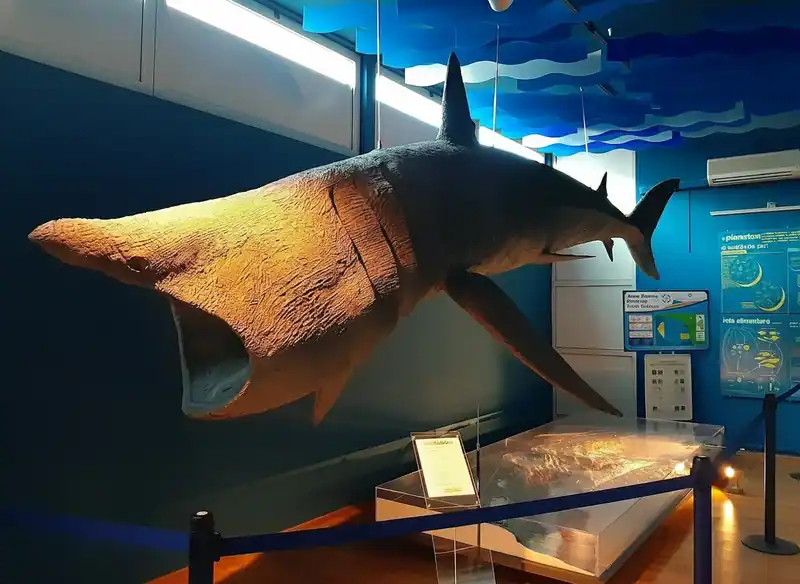
Tucked along the coastline of Porto Cesareo, the Museo di Biologia Marina "Pietro Parenzan" offers a rare glimpse beneath the surface of the Ionian Sea. This small but meticulously curated museum celebrates the Mediterranean's aquatic biodiversity through thoughtfully arranged displays of preserved organisms, fossils, and educational collections that tell the story of the region's marine ecosystems.
A Window into Mediterranean Waters
The museum's collection spans decades of marine research, showcasing everything from tiny crustaceans to larger fish species native to these coastal waters. Each exhibit is designed to help visitors understand the delicate balance of life in the Mediterranean, with clear explanations of ecological relationships and species adaptations.
Glass cases house beautifully preserved specimens that range from colorful mollusks to intricate sea urchins, each labeled with scientific and common names. The displays feel intimate rather than overwhelming, making it easy to appreciate the details of each creature's form and function.
- Extensive collection of molluschi (mollusks) showcasing the diversity of local shells and sea snails
- Preserved fish specimens demonstrating the variety of species inhabiting Puglia's waters
- Educational panels explaining marine ecology, food chains, and conservation challenges
- Fossil displays connecting ancient marine life to today's ecosystems
- Interactive elements designed to engage younger visitors with touch tanks and identification guides
The Legacy of Pietro Parenzan
The museum honors Pietro Parenzan, a pioneering marine biologist whose research shaped understanding of Mediterranean ecosystems throughout the mid-20th century. His scientific rigor and passion for conservation are woven throughout the exhibits, which reflect his commitment to both education and environmental stewardship.
Many of the specimens were collected by Parenzan himself during field research in these very waters. Walking through the museum feels like stepping into a scientist's personal archive, where each specimen represents a piece of a larger puzzle about how coastal ecosystems function and evolve.
When to Visit and What to Combine
The museum is particularly valuable before or after spending time on Porto Cesareo's famous beaches. After snorkeling in the nearby Area Marina Protetta, visitors gain a deeper appreciation for the creatures they may have glimpsed underwater.
Consider visiting in the morning when the space is quieter, allowing time to read the detailed explanations at your own pace. The museum's compact size means you can comfortably explore everything in 45 minutes to an hour, making it an ideal complement to a beach day or a stop while exploring the town's historic center.
Pair your visit with a walk to the Torre Cesarea, Porto Cesareo's 16th-century coastal watchtower, just a short stroll away. The combination of marine science and maritime history creates a fuller picture of this coast's enduring relationship with the sea.