
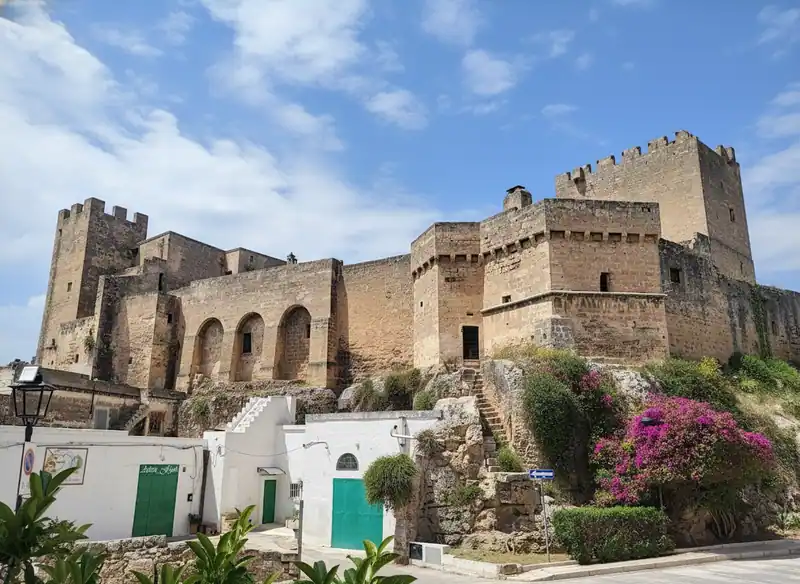
Nestled within the medieval walls of Castello Episcopio in Grottaglie, the Museo della Ceramica offers a mesmerizing journey through the town's centuries-old ceramic tradition. This intimate museum tells the story of Puglia's most celebrated pottery capital, where handcrafted ceramics have been shaped, glazed, and fired by generations of artisans. Walking through these stone halls, you'll discover how clay transformed into art, commerce, and cultural identity for an entire community.
A Castle Full of Clay Stories
The museum's setting in the Castello Episcopio adds a layer of historic grandeur to the experience. The fortress itself dates back to the 14th century, and its thick walls now cradle delicate ceramic masterpieces that range from rustic everyday pottery to elaborately decorated ceremonial pieces. Each display case reveals the evolution of local techniques, from ancient figuli (potters) to modern ceramic artists who continue to innovate while honoring tradition.
What Your Eyes Will Feast On
The collection spans multiple centuries and showcases the distinctive styles that made Grottaglie famous throughout the Mediterranean. You'll encounter pieces that bear witness to different historical periods and influences, each telling its own story through color, form, and decoration.
- Majolica treasures with vibrant cobalt blues and sunny yellows typical of the region
- Everyday domestic pottery that reveals how people lived, cooked, and stored food
- Ceremonial and religious pieces adorned with intricate hand-painted motifs
- Contemporary works that bridge traditional techniques with modern artistic vision
- Tools and workshop recreations showing how potters shaped their craft
Beyond the Museum Walls
After exploring the collection, step into the Quartiere delle Ceramiche, the artisan district that sprawls below the castle. Here, dozens of working pottery studios open their doors to visitors, and you can watch master craftspeople throwing clay on wheels, painting intricate designs, and firing pieces in traditional kilns. The scent of wet clay mingles with the earthy warmth of wood-fired ovens, creating a sensory experience that connects past and present.
Plan your visit for the cooler morning hours when the museum is quietest, allowing you to linger over each piece. Combine your museum exploration with a walk through the artisan quarter—many studios welcome visitors and offer pieces for sale at prices far below what you'd pay in coastal tourist towns. The nearby town of Martina Franca, with its Baroque architecture, makes an excellent pairing for a full day of cultural immersion in the Itria Valley.