
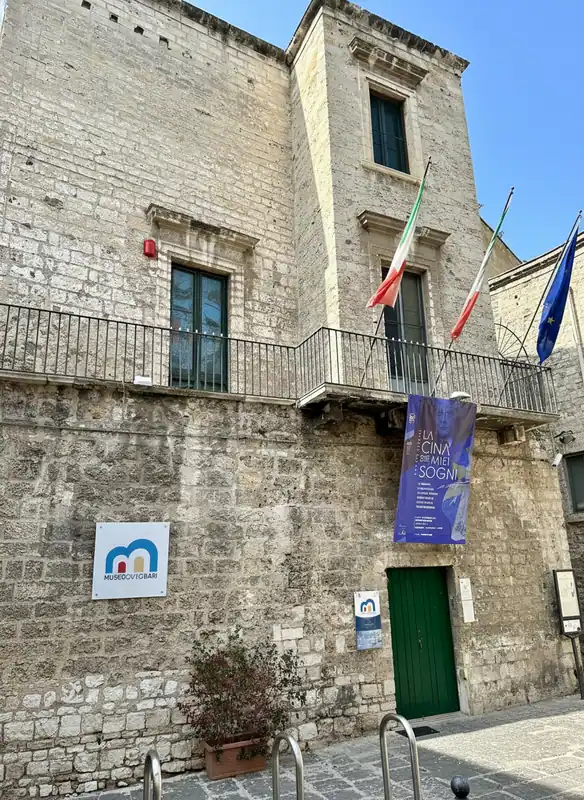
Tucked along the medieval streets of Bari's old town, the Museo Civico offers a quiet refuge where the layers of Puglian history unfold room by room. This is not a grand palace museum but an intimate collection that feels deeply rooted in the city itself, where every artifact and canvas seems to whisper stories of the Adriatic coast and the civilizations that shaped it. Walking through these galleries, you're not just observing history you're tracing the cultural DNA of Bari and the surrounding region.
Artifacts That Speak Across Centuries
The museum's archaeological section brings together ancient pottery, coins, and funerary objects unearthed from sites across the province. These aren't sterile displays behind glass; they're arranged to reveal the daily rhythms of Greek settlers, Roman merchants, and Byzantine artisans who once called this coastline home. Each piece whether a delicate oil lamp or a weathered statue fragment offers a tangible link to the past.
Look closely at the Byzantine ceramics and medieval glassware, and you'll notice trade routes etched into their designs. The museum does an exceptional job connecting these objects to the broader narrative of the Adriatic as a highway of culture and commerce.
Paintings That Capture Puglian Light
Upstairs, the art collection spans several centuries, with a focus on Renaissance and Baroque works by southern Italian masters. The canvases depict religious scenes bathed in the golden light so characteristic of this region, and many were originally commissioned for churches in Bari and nearby towns. Standing before these paintings, you can sense the devotion and civic pride that fueled their creation.
Don't miss the portraiture section, where local nobility and merchant families stare out from ornate frames. These faces tell a parallel history of wealth, politics, and social stratification in a port city that looked both east and west.
Why This Museum Matters Now
In an era of blockbuster exhibitions and multimedia spectacles, the Museo Civico champions a different kind of encounter: slow, contemplative, and deeply local. It's a place where school groups sketch ancient amphorae and elderly Baresi pause to recognize their hometown in centuries-old maps. The museum also hosts temporary exhibitions that explore contemporary Puglian culture, bridging past and present in thoughtful ways.
- Free admission makes this an accessible stop for budget-conscious travelers and locals alike
- The compact layout allows a meaningful visit in under two hours ideal before or after exploring the nearby Basilica di San Nicola
- Multilingual labels and informative panels help non-Italian speakers navigate the collections
- Photography is permitted in most galleries, so bring your camera for the medieval manuscript room
- The museum shop stocks scholarly publications on Puglian archaeology and art history
Weaving the Museum Into Your Bari Day
The Museo Civico sits just a short walk from Bari Vecchia's labyrinthine alleys, where orecchiette makers still roll pasta by hand in doorways. After your visit, wander toward the waterfront lungomare for sunset views over the Adriatic, or duck into one of the historic trattorias near Piazza Mercantile for a plate of tiella barese the city's signature baked rice dish. The museum also pairs beautifully with a morning at the nearby Castello Normanno-Svevo, creating a half-day immersion in Bari's medieval and Renaissance heritage.
If you're visiting in late spring or early autumn, the museum's courtyard sometimes hosts evening concerts and poetry readings, transforming the space into a living cultural hub. Check the museum's calendar before your trip these events offer a rare chance to experience local arts in an intimate, historic setting.