
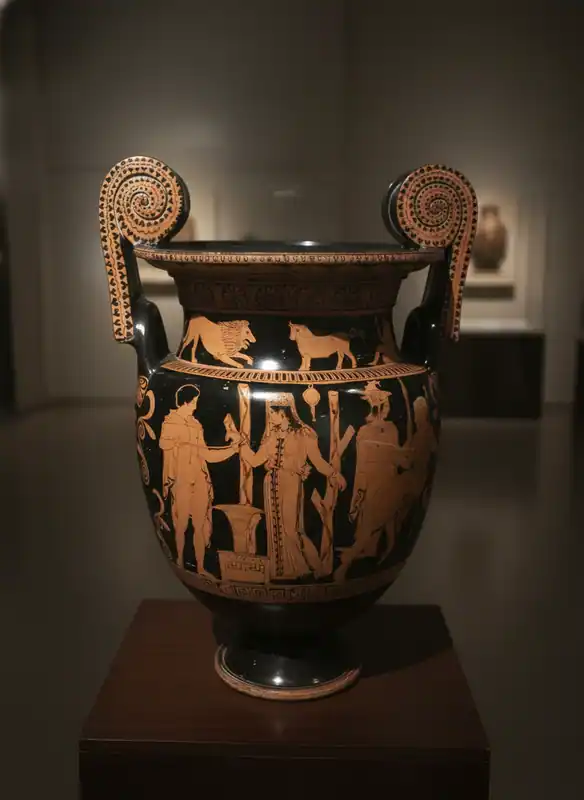
In the heart of Taranto's old city, the Museo Archeologico Nazionale stands as a temple to the region's layered past. The building itself whispers of grandeur, but it's what lies inside glittering gold jewelry, haunting marble sculptures, and treasures pulled from the depths of the Ionian Sea that transforms a casual visit into a journey through millennia. This is where the ancient Greek colony of Taras comes alive, where Rome's influence becomes tangible, and where the sea gives up its secrets.
Treasures from the Deep Blue
The museum's crown jewels are the Ori di Taranto, exquisite gold ornaments that once adorned the elite of Magna Graecia. Intricately worked diadems, earrings, and rings gleam under museum lighting, each piece a testament to the extraordinary skill of ancient goldsmiths. These aren't just artifacts; they're windows into a world of wealth and artistry that flourished here over two thousand years ago.
Equally mesmerizing are the underwater archaeological finds amphorae, anchors, and bronze statues recovered from shipwrecks scattered across the Ionian seabed. The museum does a remarkable job of contextualizing these objects, letting visitors imagine the merchant vessels and naval fleets that once plied these waters.
Walking Through Magna Graecia
The Greek galleries transport you to the height of Taras, when Taranto was one of the most powerful city-states in southern Italy. Red-figure pottery, votive statuettes, and funerary sculptures fill the rooms, each labeled with care. The craftsmanship is staggering delicate terracotta figures still carry expressions of joy or mourning, frozen in time.
Don't miss the Roman sections, where mosaics, portrait busts, and everyday objects reveal how the city evolved under imperial rule. The transition from Greek elegance to Roman pragmatism is visible in every display case.
Insider Tips for Your Visit
The museum is vast, so plan at least two hours if you want to do it justice. Early morning visits tend to be quieter, giving you space to linger over the details. The audio guide is worth the small fee it brings context and narrative to pieces that might otherwise remain enigmatic.
- Start on the second floor with the prehistoric and Greek collections, then work your way down chronologically
- Look for the Atleta di Taranto, a striking bronze statue of a young athlete, one of the museum's most photogenic pieces
- The jewelry galleries are dimly lit to protect the gold; take your time letting your eyes adjust
- Combine your visit with a walk across the Ponte Girevole to the Città Vecchia, Taranto's atmospheric old town on its island
- Nearby, the Castello Aragonese and the seaside lungomare make for a perfect post-museum stroll
A Museum for Every Curious Mind
Whether you're a history devotee, an art lover, or simply curious about the layers beneath modern Puglia, this museum rewards attention. Families will find enough visual drama to keep younger eyes engaged, while scholars can lose themselves in the depth of the collections. The museum anchors Taranto's identity, reminding visitors that this industrial port city was once a jewel of the ancient Mediterranean.
After your visit, the city's seafood restaurants and vibrant markets await Taranto's present is as compelling as its past, and the two are never far apart.