
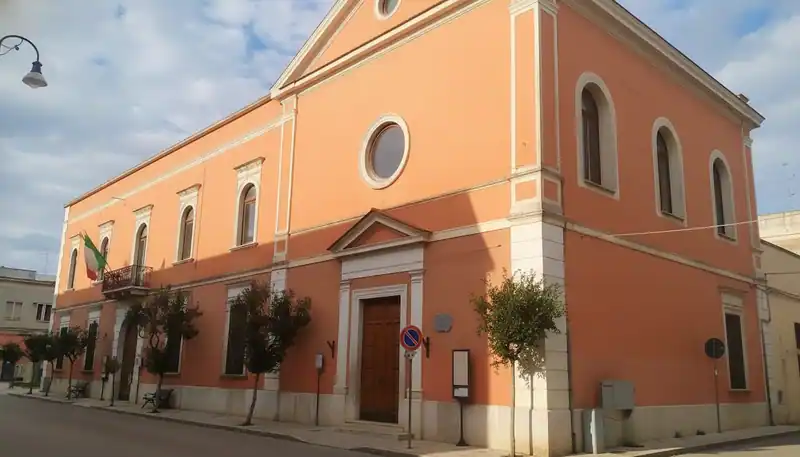
Beneath the streets of Trinitapoli lies a world frozen in time, where ancient chambers whisper stories of civilizations long vanished. The Museo Archeologico degli Ipogei invites you to descend into the earth and walk through preserved underground spaces that reveal northern Puglia's layered past, from Bronze Age burial sites to intricate stone-carved rooms that housed the rituals of forgotten peoples.
Descending into History
The museum's heart is its ipogei subterranean chambers carved directly into the bedrock centuries ago. As you step down into the cool, dim passageways, the air changes; it's heavier, older, filled with the silence of millennia. The walls bear the marks of ancient tools, and the carefully preserved chambers reveal how communities used these spaces for burials, storage, and sacred rites.
Guided pathways lead you through interconnected rooms where light plays across stone surfaces, illuminating niches that once held offerings and human remains. The scale is intimate, almost claustrophobic in places, forcing you to move slowly and notice every carved detail, every shift in the rock.
Treasures from the Earth
Above ground and within the museum galleries, display cases hold artifacts unearthed from the surrounding countryside. Pottery shards painted with geometric patterns, bronze fibulae that once fastened ancient garments, and delicate bone implements tell the story of daily life in pre-Roman and Roman Puglia.
- Bronze Age grave goods including jewelry, weapons, and ceremonial objects
- Ceramic vessels that reveal trade networks stretching across the Adriatic
- Inscribed stones with fragments of ancient Daunian and Latin text
- Reconstructed burial contexts showing how the hypogea were originally arranged
- Interactive panels explaining excavation techniques and the region's archaeological timeline
Each object is a window into how people lived, worshipped, and honored their dead in this corner of Puglia thousands of years ago.
A Living Lab of Archaeology
What sets this museum apart is its direct connection to active excavation sites in the Trinitapoli area. Researchers continue to uncover new hypogea and artifacts, and the museum regularly updates its displays with fresh finds. This isn't a static collection it's a living narrative that grows as the earth reveals more secrets.
Visit during the cooler months when the underground chambers offer a welcome refuge from the summer heat, or plan your trip to coincide with special guided tours that delve deeper into the archaeological methods and recent discoveries. Trinitapoli itself is a quiet town worth an hour or two of wandering, with local bakeries turning out traditional Puglian breads and a central piazza perfect for an espresso before or after your subterranean journey.
Beyond the Museum Walls
Combine your visit with a drive through the northern Puglia countryside, where ancient masserie dot the landscape and the coastal wetlands of the Ofanto River delta lie just a short distance away. The archaeological park of Canne della Battaglia, site of Hannibal's famous victory, is less than 30 kilometers south and offers sweeping views over the battlefield that changed Roman history.
Pack a light jacket even in summer, the underground chambers stay cool and bring a camera with good low-light capability to capture the haunting beauty of the carved stone. The museum is compact enough to explore thoroughly in 90 minutes, but allow extra time if you're passionate about archaeology or want to linger in the hypogea and soak in their ancient atmosphere.