
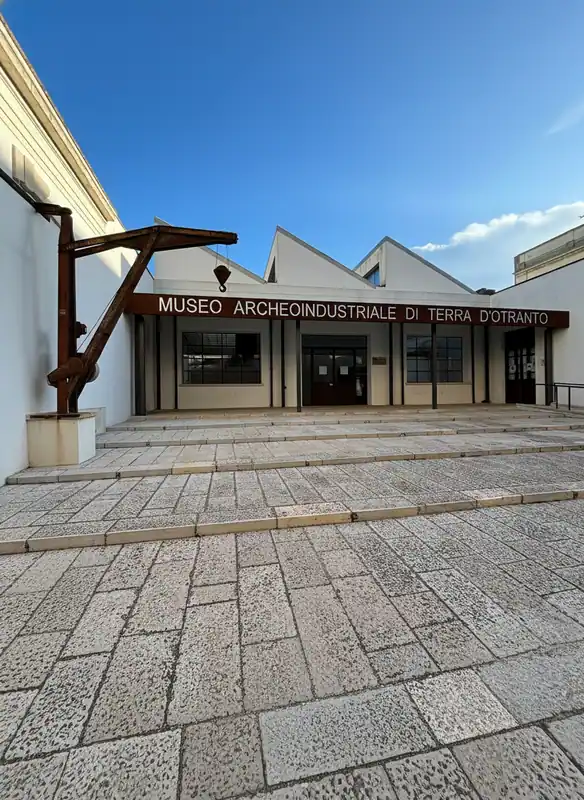
In the heart of Maglie, a town known for its baroque architecture and vibrant piazzas, MAITO opens a window onto the region's double soul: the ancient civilizations that once thrived here and the industrial ingenuity that defined its modern identity. This is not a dusty archive but a living narrative, told through objects that still carry the fingerprints of their makers.
Where Ancient Roots Meet Industrial Ingenuity
The museum's collections bridge millennia, from Messapian pottery shards that predate Roman conquest to the iron tools and looms that powered local workshops into the twentieth century. Walking through the galleries feels like flipping through a family album where every generation left something behind. The archaeological section reveals how Terra d'Otranto was a crossroads of Mediterranean trade, while the industrial wing celebrates the maestri artigiani whose skills turned Maglie into a hub for textiles and tobacco processing.
Each artifact is contextualized with care, so you understand not just what it is, but how it was used, who made it, and why it mattered. The curators have resisted the temptation to overwhelm; instead, they've curated stories that invite you to linger.
Craftsmanship You Can Almost Touch
One of MAITO's strengths is its focus on traditional craftsmanship techniques that are slowly disappearing. You'll see hand-forged agricultural tools, intricate lacework, and the machinery that once hummed in Maglie's factories. The exhibit on tobacco processing is particularly evocative, complete with original presses and photographs of workers whose faces tell their own stories. It's a reminder that industrialization here was deeply human-scale, rooted in family workshops rather than anonymous factories.
- Messapian artifacts that illuminate the pre-Roman civilizations of Puglia
- Original textile looms and spinning tools from local manifatture
- Tobacco processing equipment that once defined Maglie's economy
- Photographic archives capturing daily life in early twentieth-century workshops
- Interactive displays explaining traditional craft techniques still practiced today
Making the Most of Your Visit
Plan at least an hour to absorb the museum's layered narratives. The staff are often local historians who can share anecdotes not found on the placards. If you're visiting in late morning, the adjacent centro storico is perfect for a post-museum coffee and pasticciotto at one of Maglie's historic cafés. Combine your visit with a stroll through the town's baroque churches and the nearby coastal towns of Otranto or Castro, both within a twenty-minute drive.
Photography is welcomed, and the natural light in the upper galleries makes for beautiful shots of the artifact displays. The museum occasionally hosts temporary exhibitions and workshops on traditional crafts, so check their schedule if you're interested in deeper engagement.