
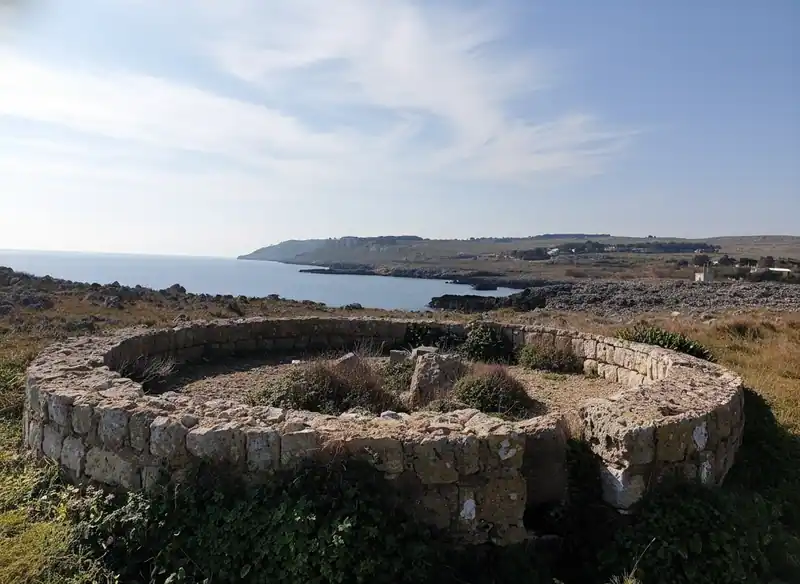
Hidden along the rugged Adriatic coastline near Porto Badisco, the Grotta dei Cervi shelters one of the most remarkable collections of prehistoric rock art in the Mediterranean. Carved and painted into limestone walls thousands of years ago, these mysterious symbols and figures offer a rare window into the minds of Neolithic communities who once called this coast home.
A Gallery Frozen in Time
The cave's name—Grotta dei Cervi, or "Cave of the Deer"—comes from the animal figures that dominate its ancient artwork. Step inside and you'll find yourself surrounded by drawings that date back more than 4,000 years, created using natural pigments like bat guano and ochre.
The artwork covers the cave's inner chambers in a sprawling narrative of hunting scenes, geometric patterns, and symbolic imagery. Archaeologists believe these markings held spiritual significance, possibly connected to fertility rituals or shamanic practices of early Adriatic settlers.
- Hunting scenes featuring deer, human figures, and abstract symbols
- Natural pigments remarkably preserved in the cave's stable climate
- Geometric patterns that hint at early mathematical and symbolic thinking
- Multi-chambered galleries where limestone formations frame ancient art
Limestone Formations Meet Human Creativity
Beyond the rock art, the Grotta dei Cervi is a natural wonder in its own right. Stalactites and stalagmites rise and descend through the chambers, creating an otherworldly backdrop for the prehistoric drawings.
The interplay between natural geology and human expression is what makes this site so compelling. Where ancient artists found smooth stone surfaces, they left their mark; where the rock was too rough or wet, nature's own sculptures dominate.
Echoes of Early Settlements
Archaeological evidence suggests that the cave wasn't just a canvas—it was a gathering place. Tools, pottery fragments, and organic remains found within the chambers paint a picture of communities who used this space for ceremonies, shelter, and perhaps as a sacred site removed from daily life.
Porto Badisco itself holds mythological significance as the legendary landing site of Aeneas in Virgil's Aeneid. The connection between ancient myth and prehistoric reality adds another layer of intrigue to this stretch of coast.
The cave is protected to preserve its fragile artwork, so access is carefully managed. Check ahead for guided tour availability, especially during peak summer months when demand is high. Pair your visit with a walk along the dramatic cliffs above Porto Badisco, or venture north to Otranto to explore its Byzantine cathedral and medieval streets.
Wear sturdy shoes—the terrain around the cave entrance can be uneven. Bring a light jacket even in summer; the cave interior stays cool year-round, a small reminder of the timeless chill that has protected these drawings for millennia.