
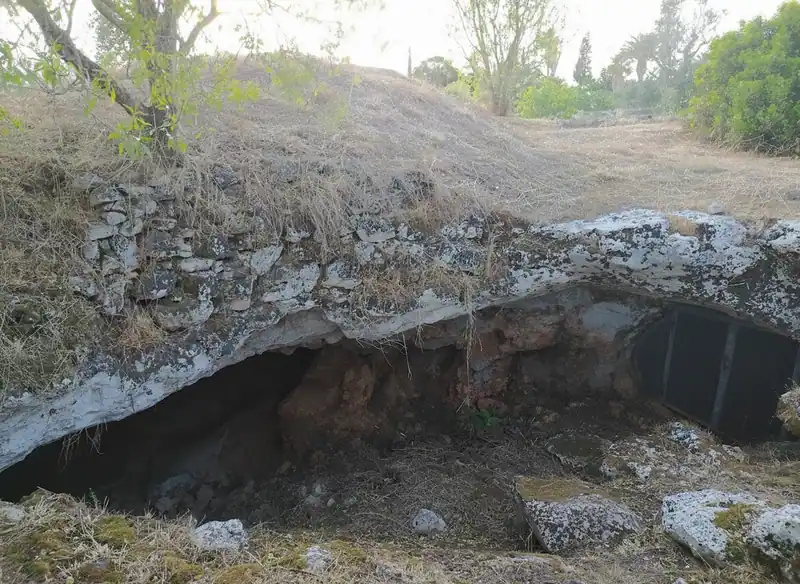
Tucked beneath the quiet streets of Parabita in the Province of Lecce, the Cave of Veneri opens a window into deep time—a subterranean realm where limestone has been sculpted over millennia into delicate curtains, towering pillars, and frozen waterfalls of stone. This is not merely a cave; it's a living archive of prehistory, where the slow drip of mineral-rich water has written an epic in calcite, and where ancient inhabitants once sought shelter beneath the Apulian sun.
A Geological Theater Carved by Water
Step inside and the temperature drops, the air thickens with the earthy scent of limestone and moisture. The cave reveals its secrets slowly: stalactites hang like chandeliers from the vaulted ceiling, while stalagmites rise from the floor in glistening columns, some meeting their partners overhead in dramatic union. The interplay of shadow and stone creates an otherworldly stage, where every formation tells a story written drop by drop over tens of thousands of years.
The silence here is profound, broken only by the occasional echo of water finding its ancient path through the rock. It's a place that invites contemplation, where the human sense of scale shrinks in the face of geological patience.
Echoes of Prehistoric Life
The Cave of Veneri is more than a natural wonder—it's an archaeological treasure. Evidence of human presence stretches back to the Upper Paleolithic, when early hunter-gatherers used these chambers as shelter and perhaps as ritual spaces. Tools, bones, and traces of ancient fires have been uncovered here, whispering of lives lived long before the towns and olive groves above took shape.
Walking through the cave, you're tracing the footsteps of ancestors who knew this landscape in its wildest form. The blend of natural beauty and human history makes every corner feel weighted with meaning.
Making the Most of Your Visit
The Cave of Veneri rewards the curious traveler willing to venture slightly off the beaten path. Here's how to experience it fully:
- Bring a light jacket—even in summer, the cave interior stays refreshingly cool, a welcome contrast to the heat above.
- Wear sturdy shoes with good grip; the stone floors can be uneven and occasionally slick from moisture.
- Visit in the morning or late afternoon for the best light and fewer crowds, allowing the cave's atmosphere to work its quiet magic.
- Take your time—this is not a place to rush. Let your eyes adjust, notice the details in the formations, and imagine the deep history beneath your feet.
- Combine your visit with a stroll through Parabita's historic center, where baroque churches and narrow lanes offer a charming counterpoint to the prehistoric underground.
- Don't miss nearby Nardò and Copertino, both within easy driving distance, for a fuller taste of Lecce province's cultural riches.
A Hidden Gem in Lecce Province
While the coastal towns and sun-drenched beaches often steal the spotlight, the Cave of Veneri offers a different kind of beauty—one that unfolds in the cool darkness, far from the glare of the Adriatic. It's a reminder that Puglia's landscapes run deep, layered with stories that stretch back far beyond recorded history. For anyone seeking a moment of wonder that transcends the ordinary tourist trail, this cave is a rare and rewarding find.